Memorial to blood scandal victims gets permanent home at ºÚÁÏÍø³Ô¹Ï±¬ÁÏ
ºÚÁÏÍø³Ô¹Ï±¬ÁÏ will become the permanent home of the Infected Blood Inquiry Memorial, which honours the more than 30,000 people who were infected with HIV, Hepatitis and vCJD after receiving contaminated blood products in the 1970s and 1980s — an event that caused profound and lasting harm to individuals, families and communities across the UK.
The agreement to house the memorial at the University follows a commitment by Andy Burnham, Mayor of Greater ºÚÁÏÍø³Ô¹Ï±¬ÁÏ, to find a permanent and fitting home for it within the city-region. The memorial will now become part of the University’s collections, where it will be cared for as a place of remembrance, reflection and learning for generations to come.
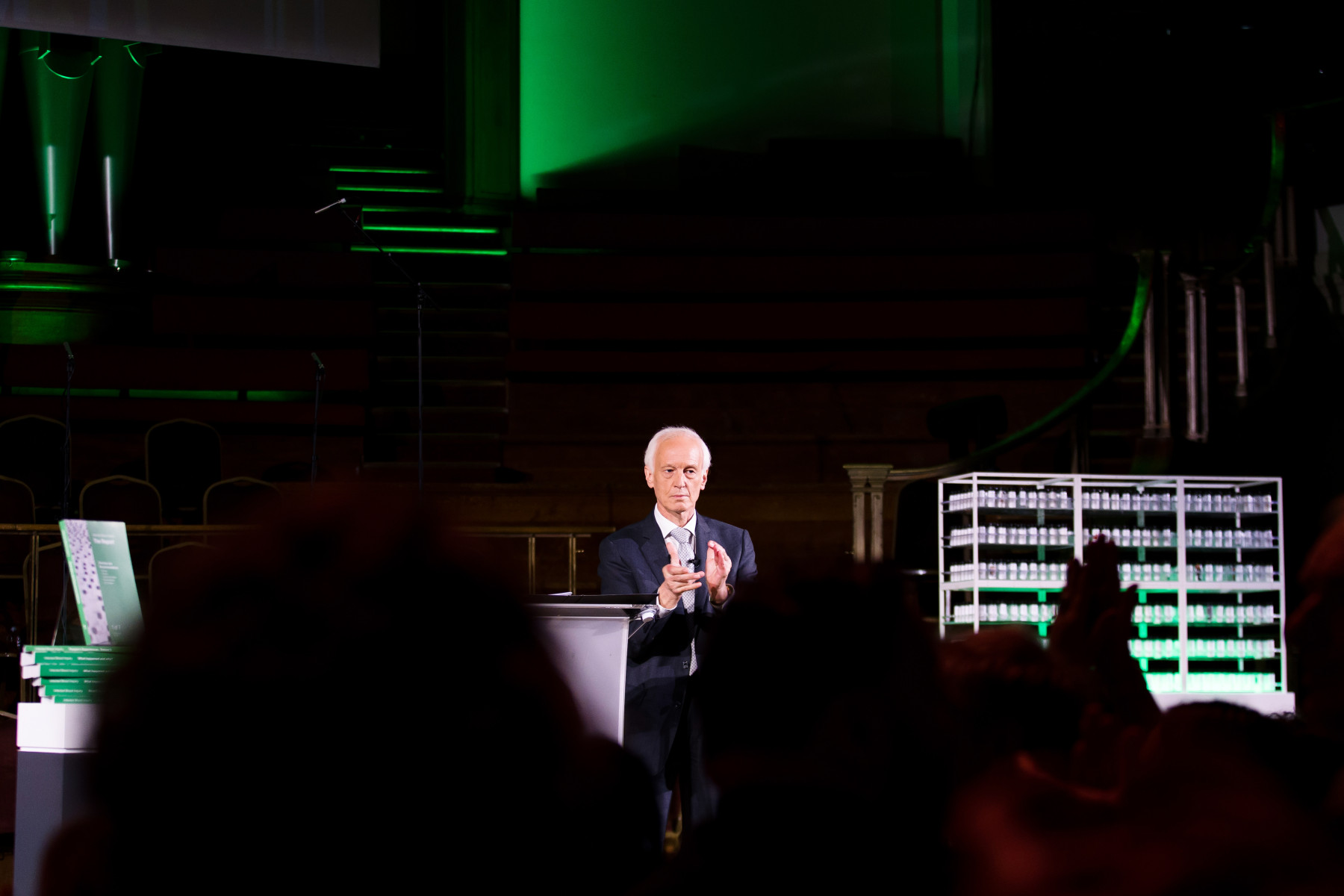
Developed in collaboration with Inquiry participants, the memorial contains bottles with a message in each one written by someone affected by the scandal.
On display at the Infected Blood Inquiry until the publication of the Inquiry Report in May 2024, the memorial has been sited in the . Its presence at the University will support research, teaching and public engagement, particularly in areas relating to patient safety, ethical practice in healthcare, trust, and health inequalities.
As a civic university rooted in ºÚÁÏÍø³Ô¹Ï±¬ÁÏ, the University is committed to working alongside communities to acknowledge difficult histories and to create spaces where reflection and learning can take place with care and respect. Through exhibitions, teaching programmes and public events including the annual Universally ºÚÁÏÍø³Ô¹Ï±¬ÁÏ Festival, the memorial will remain accessible to the public, helping to ensure that the experiences of those affected continue to be heard and understood.
By providing a permanent home for the Infected Blood Inquiry Memorial, the University hopes to honour those whose lives were changed forever, while supporting ongoing dialogue, understanding and learning that can help shape a more compassionate and responsible future in healthcare and public life.
Christine Burney, the widow of Peter Burney, who died of hepatitis following a blood transfusion said: “I lost my husband Peter Burney in 2019 to liver cancer, after being given hepatitis C following a blood transfusion. The inquiry memorial holds deep personal significance. As I live on the outskirts of ºÚÁÏÍø³Ô¹Ï±¬ÁÏ I have visited it numerous of times since its arrival on the university grounds, finding solace in its presence.
It serves as a vital, permanent reminder of this tragedy for the medical professionals of tomorrow. My hope is that by including this history in their curriculum we ensure that the lessons of the past directly inform the care and ethics of the future.�
This memorial is a powerful way to honour those thousands of people and their family members who suffered so much and those whose lives continue to be blighted by the infected blood scandal. I hope this memorial provides some closure, and a place for reflection for all people fighting injustice
Sir Brian Langstaff, Chair of the Infected Blood Inquiry, said: “We must never forget the devastating effects of what happened. Foremost among them is the anguish, suffering and profound loss, so eloquently highlighted by the messages carefully placed in this Memorial by people infected and affected. I wish to thank the University of ºÚÁÏÍø³Ô¹Ï±¬ÁÏ for providing a permanent home for the Memorial. It stands now, and for the future, as a testament to all of those who fought so long to be heard. The infected blood disaster was not an accident and its like must never happen again.â€�
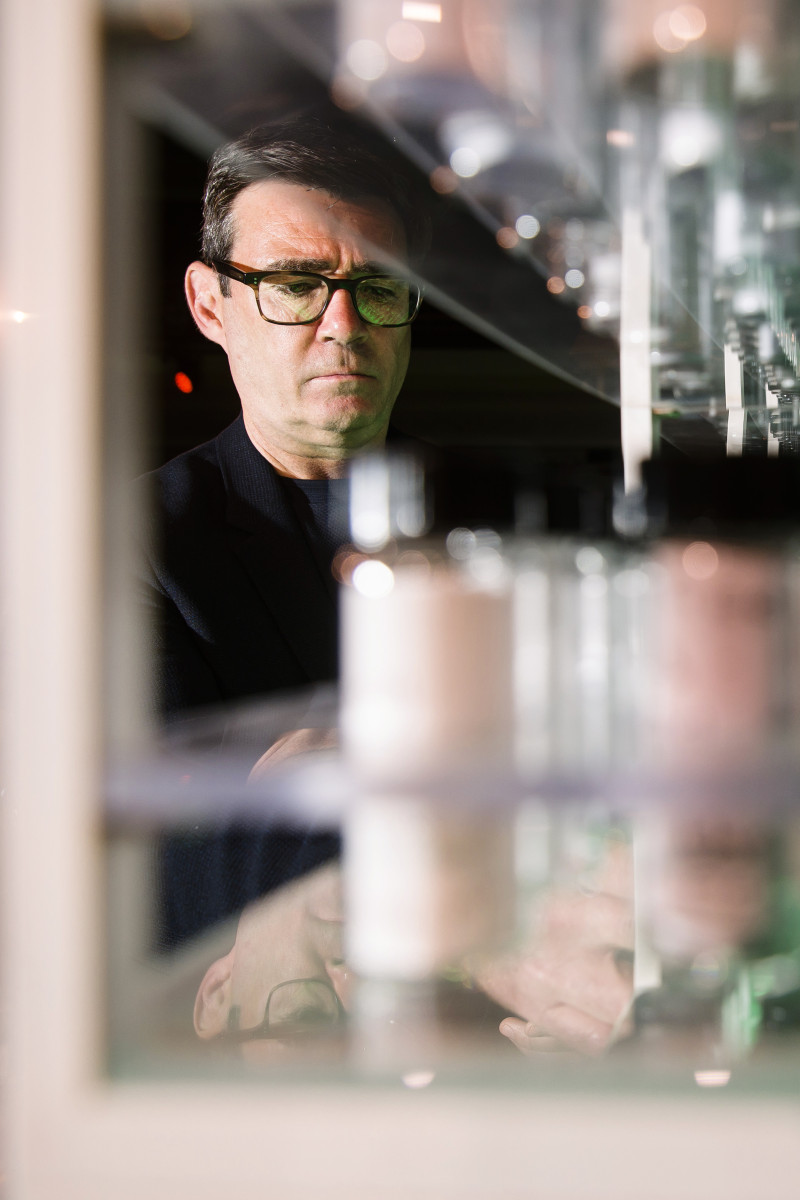
Andy Burnham, Mayor of Greater ºÚÁÏÍø³Ô¹Ï±¬ÁÏ, said: "This memorial is a powerful way to honour those thousands of people and their family members who suffered so much and those whose lives continue to be blighted by the infected blood scandal. I hope this memorial provides some closure, and a place for reflection for all people fighting injustice.
“I pay tribute to the campaigners like Fred and Eleanor Bates from Wythenshawe who never gave in and helped me understand the scale of the injustice. I am proud that the memorial will be based here, in the centre of ºÚÁÏÍø³Ô¹Ï±¬ÁÏ, and I know they would be too.â€�
Professor Stephanie Snow, Professor of Health, History and Policy and Academic Lead for Public Engagement who is based at The University’s Centre for the History of Science, Technology and Medicine said: “Our stewardship will honour the Inquiry’s intention that the Memorial will be a permanent symbol of the human suffering and loss caused by the contaminated blood scandal.
“Many thousands of NHS patients were infected after being given contaminated blood in what has been called the biggest treatment disaster in the history of the NHS.
“According to the inquiry, the victims had been failed "not once, but repeatedly", since 1948, the date when the risk of viral infections in blood products originated. This memorial is a fitting tribute and a powerful reminder of their story. We are honoured it is to become part of the University’s collections.
John McAuliffe, Associate Vice President (Cultural Portfolio) at ºÚÁÏÍø³Ô¹Ï±¬ÁÏ and Director of was also part of the team who helped to bring the monument to ºÚÁÏÍø³Ô¹Ï±¬ÁÏ.
He said: “Our collections inspire and nurture world-class research, teaching and learning and this memorial will be of huge interest to writers, historians, social scientists, clinicians and scientists, and others connected to the Centre for the History of Science, Technology and Medicine, and to the University’s research platforms, Creative ºÚÁÏÍø³Ô¹Ï±¬ÁÏ and Healthier Futures, which support interdisciplinary research, as well as to colleagues and students attached to the Justice Hub, the Centre for New Writing and the Granada Centre for Visual Anthropology.
Professor Nalin Thakkar, Vice-President for Social Responsibility at ºÚÁÏÍø³Ô¹Ï±¬ÁÏ said: “As a civic university, we believe it is important to remember difficult histories with honesty, compassion and respect. The Memory Bank Memorial gives powerful voice to those affected by the contaminated blood scandal and stands as a reminder of the human impact behind it.
“It is a privilege for the University to become its custodian, and we hope it will support reflection, learning and dialogue for generations to come, reflecting our commitment to social responsibility and to serving our communities in ºÚÁÏÍø³Ô¹Ï±¬ÁÏ and beyond.â€�
- The ceremony will be livestreamed at