£6bn North ºÚÁÏÍø³Ô¹Ï±¬ÁÏ regeneration risks leaving older residents feeling 'culturally displaced'
Major new study says older people must have a greater say in shaping the future of their communities
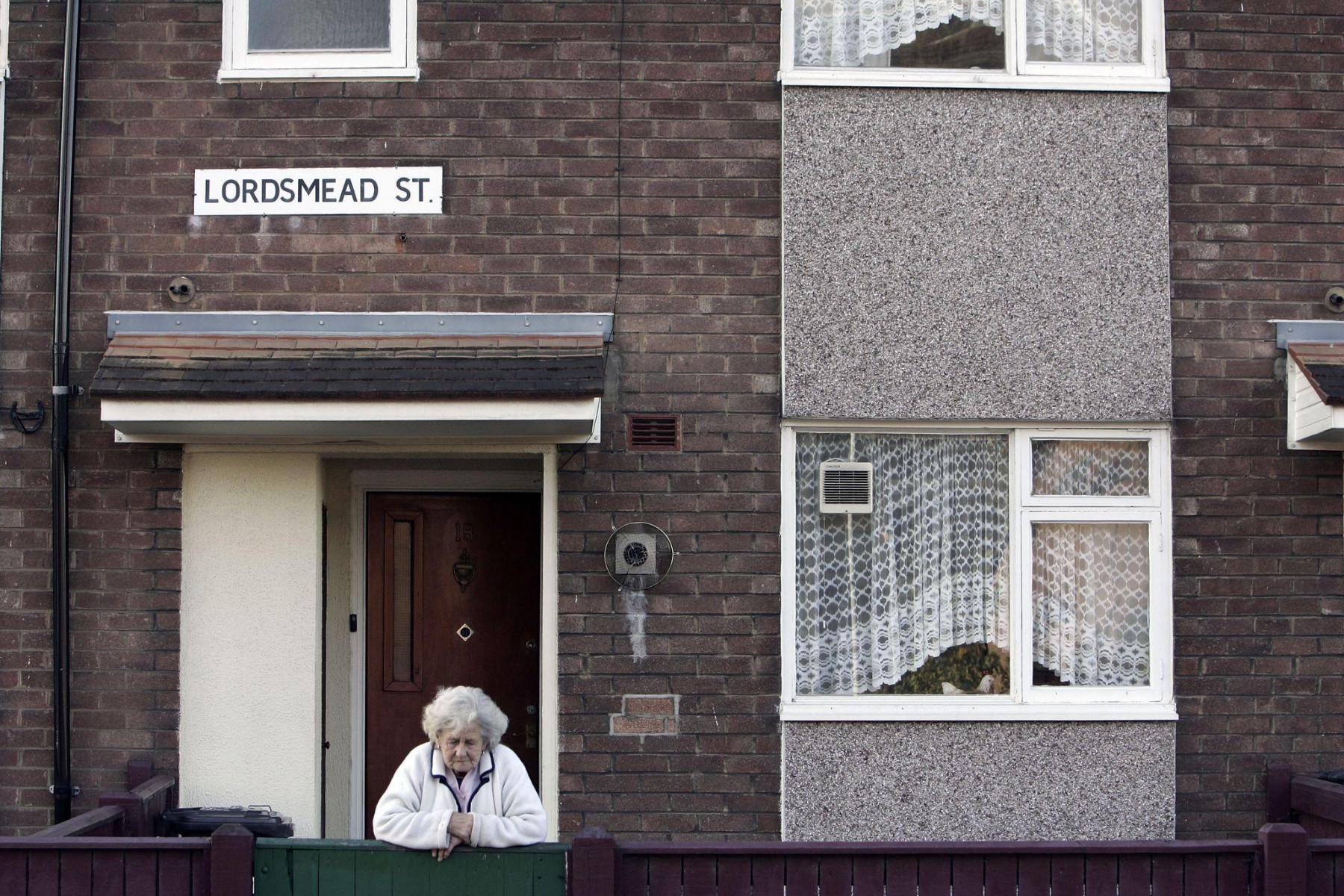
Large-scale regeneration schemes risk creating a sense of ‘cultural displacement’ among older residents unless existing communities are involved in shaping the neighbourhoods where they live, a report from ºÚÁÏÍø³Ô¹Ï±¬ÁÏ has suggested.
The researchers say regeneration must do more than build new homes and infrastructure, with investment also needed in the community centres, faith spaces, local shops and other places where existing residents form relationships and find support.
The warning comes from a new study examining the experiences of older people in North ºÚÁÏÍø³Ô¹Ï±¬ÁÏ, where a series of regeneration projects worth billions of pounds are set to transform the area over the coming decades.
The research found that many older residents have a strong sense of belonging to their neighbourhoods and want to remain living there as they grow older. However, some fear that regeneration could lead to gentrification, rising housing costs and the loss of familiar community spaces, leaving existing residents excluded from the benefits of investment and creating divisions between communities.
The researchers say the findings have implications for regeneration projects across the UK, particularly as the population becomes older and more ethnically diverse.
Key findings
- Many older residents want to "age in place" in the communities where they have built their lives, but many feel excluded from discussions about the future of their neighbourhoods.
- Residents expressed concerns that regeneration could lead to gentrification, exclusion and division, and questioned whether new homes and amenities would benefit existing communities.
- Community spaces, local shops and faith settings provide vital social infrastructure, helping older people maintain social connections and access informal support.
- Everyday encounters between people from different ethnic, cultural and generational backgrounds help create belonging, familiarity and continuity as neighbourhoods change.
- The researchers warn that regeneration should protect and strengthen existing communities, with investment directed towards community organisations as well as new buildings and infrastructure.
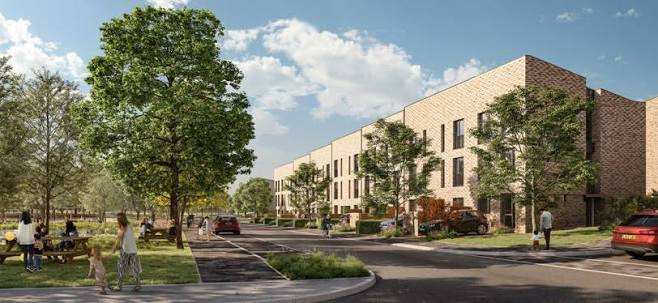
North ºÚÁÏÍø³Ô¹Ï±¬ÁÏ is undergoing one of the largest programmes of urban regeneration in the country. The £6 billion North ºÚÁÏÍø³Ô¹Ï±¬ÁÏ Strategy includes the redevelopment of North ºÚÁÏÍø³Ô¹Ï±¬ÁÏ General Hospital, a new mental health facility and the Victoria North housing development, while other major schemes are planned across the area.
Victoria North alone is expected to deliver up to 15,000 new homes over 15 to 20 years, and has been selected as one of the Government's New Towns Initiative sites.
What the researchers say
The researchers say the scale of investment presents a major opportunity to improve health and wellbeing, but warn that the benefits must be shared with the communities already living in the area.
"Regeneration could potentially bring enormous benefits to communities, but it is vital that we don't lose sight of the people who already live in these places,â€� said Dr Camilla Lewis from ºÚÁÏÍø³Ô¹Ï±¬ÁÏ's ºÚÁÏÍø³Ô¹Ï±¬ÁÏ Urban Ageing Research Group. "Older people have deep connections to their neighbourhoods and have built up knowledge, relationships and networks over many years. These are valuable assets for regeneration, not obstacles to it.â€�
If we want to create places where people can live well as they grow older, then older residents need to be involved in shaping the future of their communities from the outset.
The research found that community organisations and volunteers play a significant role in supporting older people, particularly from ethnically minoritised backgrounds, helping to reduce the effects of social isolation, poor health, financial pressures or language barriers
Community spaces also provide opportunities for interaction between people from different ethnic and cultural backgrounds, helping to maintain a sense of connection as neighbourhoods change.
The researchers warn that these forms of ‘social infrastructure’ can be overlooked when regeneration focuses primarily on physical development.
They are calling for investment to be directed towards existing community organisations alongside new housing and infrastructure, and for regeneration to be designed collaboratively with older people.
"Regeneration needs to start by understanding what is already valuable about a place - its people, its relationships, its cultural diversity and the spaces where communities come together,â€� said Dr Niamh Kavanagh from ºÚÁÏÍø³Ô¹Ï±¬ÁÏ. "Our research shows that these everyday connections matter enormously to older people. They can provide a sense of belonging and continuity at a time when neighbourhoods are undergoing profound change.â€�
"The challenge is to make sure that regeneration strengthens these connections rather than unintentionally disrupting them.�
The report recommends that future regeneration should be equitable, embedded within existing communities, designed collaboratively with older people, culturally sensitive and supported by sustained investment in social infrastructure.
The researchers say the lessons from North ºÚÁÏÍø³Ô¹Ï±¬ÁÏ are relevant to the wider UK as cities and towns respond simultaneously to an ageing population, housing pressures and major programmes of urban development.
The study was carried out over 12 months and involved 41 interviews with older residents, community organisations and regeneration stakeholders, two focus groups and four creative co-production projects involving more than 50 older people. The research focused primarily on Cheetham Hill and Crumpsall, while also considering the wider North ºÚÁÏÍø³Ô¹Ï±¬ÁÏ area.
Publication details
Read the full Ageing, inequality and urban regeneration: Collaborative research with older people living in North ºÚÁÏÍø³Ô¹Ï±¬ÁÏ report .