The King of the North and the ‘ ºÚÁÏÍø³Ô¹Ï±¬ÁÏ Model’ – A Media Round-up
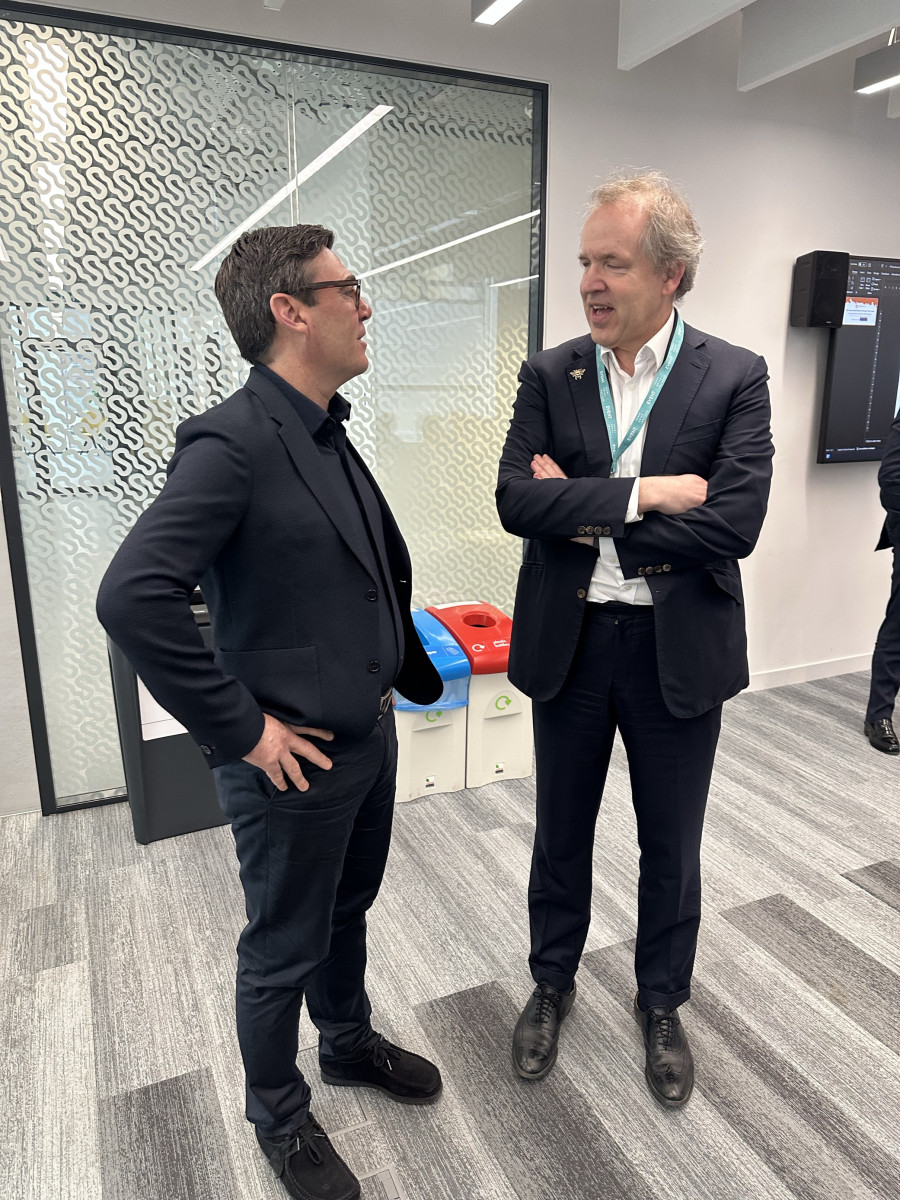
Andy Burnham was made Prime Minister of the United Kingdom today.
Styled as ‘King of the North’ for his successes as Mayor of Greater ºÚÁÏÍø³Ô¹Ï±¬ÁÏ between 2017 and 2026, Burnham’s oversight of the region - which has been dubbed ‘ ºÚÁÏÍø³Ô¹Ï±¬ÁÏism’ - saw it become the fastest growing place in the UK. Now it is up to him to recreate the regional success of Greater ºÚÁÏÍø³Ô¹Ï±¬ÁÏ on a national scale.
As the eyes of the media continue to analyse the region, many questions remain: what actually is the ºÚÁÏÍø³Ô¹Ï±¬ÁÏ model of growth? Who is Andy Burnham, really? What is behind his widespread popularity in the North of England and in Westminster? And, perhaps most importantly, can he pull it off again, and reinvigorate Britain?
From early whispers to entering Downing Street, ºÚÁÏÍø³Ô¹Ï±¬ÁÏ has been providing expert commentary to local, national and international audiences throughout his ascendency.
Here’s a round-up:
has covered the new PM extensively: Andy Westwood’s research told us what the data on ºÚÁÏÍø³Ô¹Ï±¬ÁÏ's success story really shows Philip McCann and Raquel Ortega-Argilés looked at how Greater ºÚÁÏÍø³Ô¹Ï±¬ÁÏ’s success demonstrates how devolved governance, long-term institutional collaboration and strategic planning can help overcome the UK’s regional productivity challenges and a paper by Jun Du, Xiaocan Yuan and Diane Coyle, about ºÚÁÏÍø³Ô¹Ï±¬ÁÏ's ability to attract and channel foreign direct investment into productive uses.
President and Vice-Chancellor Professor Duncan Ivison gave an interview to , about the new Prime Minister. Duncan recalls his first chat with Burnham after taking his PVC office, and says that Burnham leant into the city’s collaborative infrastructure as Mayor. Duncan said that “If Andy Burnham becomes prime minister, you’re going to see someone who can connect with people in that sort of grassroots way.�
Duncan spoke to , in an article about what Burnham will want from UK universities if he was to become PM. Duncan told THE that he believes Burnham will want to “reimagine the British state�.
Professor Rob Ford appeared in a article on whether Burnham’s ‘casual style’ will be suitable for Downing Street. Prof Ford writes that male politicians have it easier than their female counterparts, as they can always fall back on the ubiquity of the suit.
Prof Ford also commented in , about the revision of the Green Party strategy under Burnham’s leadership - he suggested that Green Party voters will be swept up by Labour if they can deal with earlier disillusionment.
Professor Charlotte Wildman discussed Burnham’s popularity with working class voters in the North with , exploring his advocacy for victims of the Hillsborough disasters.
Professor Julie Froud appeared in , discussing Burnham’s vision of a council housing boom. Prof Froud stated that private sector developers present local councils with several obstacles to such a vision.
Prof Phil McCann spoke to about the transformation of Greater ºÚÁÏÍø³Ô¹Ï±¬ÁÏ under Burnham’s leadership, the limitations of the role of mayor and what further changes to the devolution settlement he may introduce as PM.
After Burnham became an expert at using his regional identity as a political tool, Dr Tim Oliver wrote a piece for asking whether Burnham will have appeal beyond Greater ºÚÁÏÍø³Ô¹Ï±¬ÁÏ once he becomes PM.
Dr Oliver also spoke to Sweden’s Sveriges Radio about what kind of Prime Minister Burnham might make, his popularity in Greater ºÚÁÏÍø³Ô¹Ï±¬ÁÏ and his hopes for turning Labour’s fortunes around.
Dr Nicole Martin appeared on ITV Granada Reports to talk about Burnham’s potential plans for government, his legacy as Greater ºÚÁÏÍø³Ô¹Ï±¬ÁÏ mayor and the upcoming byelection.
Dr Jack Newman spoke to Hits Radio ºÚÁÏÍø³Ô¹Ï±¬ÁÏ about Burnham’s plans to devolve power away from Westminster via the opening of ‘Number 10 North’, and what this could mean for ºÚÁÏÍø³Ô¹Ï±¬ÁÏ.
Our researchers have also been writing for The Conversation: