Third Eve fellowship to understand and prevent aggressive womb cancer announced
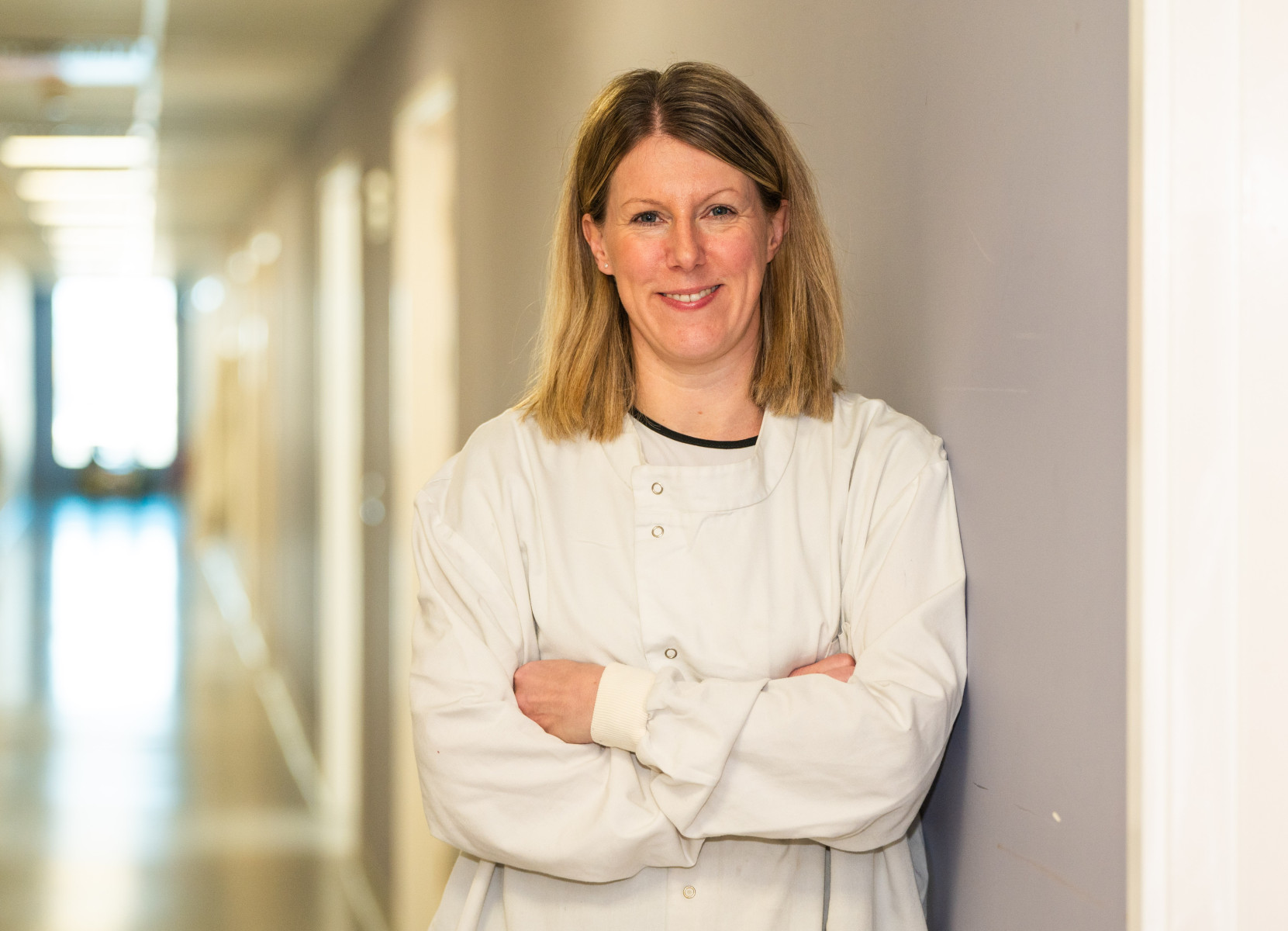
The Eve appeal in partnership with North West Cancer Research, has awarded a third Fellowship to Dr Sarah Kitson, gynaecological cancer surgeon and researcher at the University of ºÚÁÏÍø³Ô¹Ï±¬ÁÏ.
Her three-year Fellowship will focus on understanding how the most aggressive type of womb cancer called p53-abnormal (p53abn) womb cancer, develops, who is most at risk, and whether early changes can be targeted to prevent it.
Womb cancer is the most common gynaecological cancer, and the fourth most common cancer in women. It affects 9,700 women and people with gynae organs each year in the UK. There are four main subtypes, and p53abn womb cancers are the most aggressive. They are more likely to spread, more likely to return after treatment, and have worse outcomes than other types of womb cancer. They are also more common in Black women.
Despite the impact these cancers have, we still don’t know what causes them to develop, whether early warning signs can be detected, or how we might prevent them. Dr Sarah Kitson hopes to change this. She aims to improve our understanding of how these cancers develop, find out whether the process is the same for all p53abn womb cancers, and learn about the risk factors that make someone more likely to develop it. Her hope is that this research will reveal ways to prevent these cancers from developing and help save lives.
To do this, Sarah will invite 50 women undergoing surgery for p53abn womb cancer to donate blood, womb tissue and a cervical screening sample. She will use these samples to look for the earliest gene changes that signal a cancer is forming, examine how the cancer grows and changes over time, and explore how the body’s own defence system responds during the early stages. She hopes this information could allow researchers to identify individuals at a high risk of p53abn womb cancer long before symptoms appear. This would hopefully open the door to future screening tests or ways to prevent it developing.
If successful, this project could point towards potential new drug treatments to try stop p53abn womb cancers from developing. The research team would then need to develop and test these treatments in the laboratory before moving on to clinical trials with people at a high risk of developing this type of womb cancer.
I am extremely honoured to have been awarded The Eve Appeal/North West Cancer Research Fund Fellowship to learn more about how p53abn womb cancers develop and to explore ways in which we could try and stop these aggressive cancers from forming
Dr Sarah Kitson, Eve Fellow and Principal Investigator said: “I am extremely honoured to have been awarded The Eve Appeal/North West Cancer Research Fund Fellowship to learn more about how p53abn womb cancers develop and to explore ways in which we could try and stop these aggressive cancers from forming. The two charities have contributed greatly to cancer research and gynaecological cancer prevention, and it will be a huge privilege to join their world-leading groups of researchers.�
Athena Lamnisos, CEO of The Eve Appeal said: “p53-abnormal womb cancers are the most aggressive of the womb cancer subtypes, and we urgently need answers about how they develop and how we can prevent them. Sarah’s work will take us a step closer to reducing one of the biggest inequalities in gynaecological cancers, that Black women are twice as likely to die from womb cancer as their White peers. We are incredibly proud to support her, and we believe this project could help change the future of this aggressive form of womb cancer.�
Alastair Richards, CEO of North West Cancer Research said: “We are incredibly proud to once again partner with The Eve Appeal to co-fund another outstanding research Fellow. Together, our charities have now invested more than £1.2 million in pioneering gynaecological cancer research. In the North West, womb cancer rates continue to rise, and aggressive cases like p53abn cancers pose a real challenge for women in our region. Dr Kitson’s project is especially important because it seeks to understand how these cancers begin—and how we might stop them. This is exactly the kind of ambitious, high-impact research we are committed to supporting.�